
AI Search Engines 2025: The New Era of Intelligent Discovery
Search isn’t what it used to be. In 2025, typing a query into Google feels almost nostalgic.
The world is moving toward AI-powered search engines — systems that understand, summarize, and synthesize information, not just list links.
Welcome to the era of Generative Search, where large language models (LLMs) reshape how humans and machines interact with knowledge.
1. From Links to Answers
Traditional search relied on crawling, indexing, and ranking web pages.
AI search engines like Perplexity AI, ChatGPT Search, and Google’s Search Generative Experience (SGE) do something radically different: they generate answers.
Instead of showing ten blue links, these tools deliver conversational summaries with source citations.
Users no longer browse — they ask, read, and move on.
“We’ve entered the era of answer engines, not search engines,” notes Jean Bonod, Editor-in-Chief of Aiseofirst.
2. The Rise of AI-First Search Platforms
By mid-2025, the competition for AI-driven discovery is fierce:
- Google SGE integrates generative snippets directly into the search interface.
- OpenAI’s ChatGPT Search blends web browsing with live data and citation layers.
- Perplexity AI becomes the “Wikipedia of the LLM era,” sourcing real-time verified content.
- You.com and NeevaAI offer privacy-focused AI search alternatives.
The key difference? Personalization and context — your history, preferences, and even tone of voice shape results.
3. How AI Search Changes SEO Forever
The shift from “ranking” to “referencing” is shaking the SEO world.
Websites no longer fight for Page 1 — they fight for citation visibility inside AI answers.
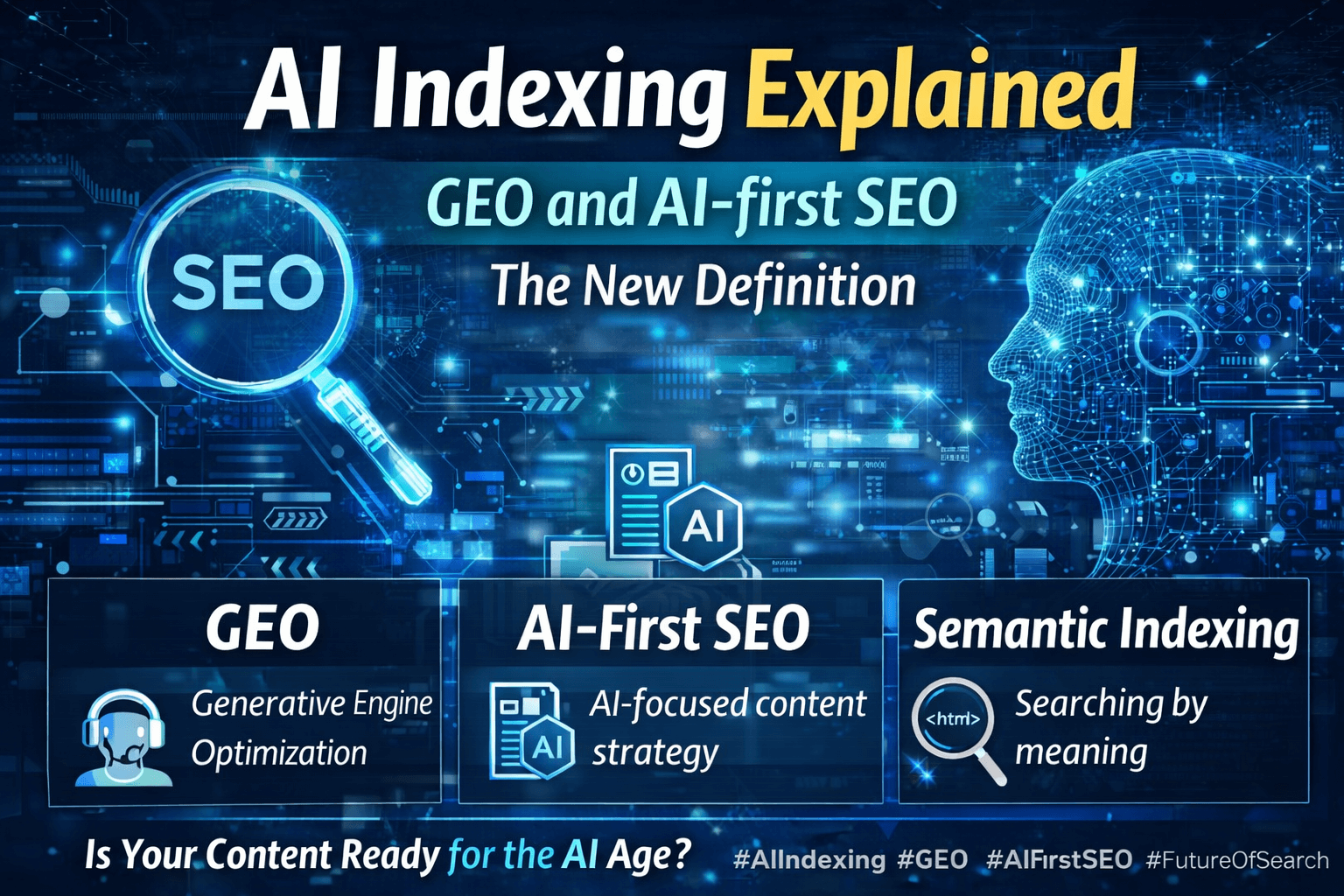
This new discipline is called GEO (Generative Engine Optimization) — optimizing content to be trusted, cited, and summarized by AI systems.
To earn citations, pages need:
- Entity-rich structured data (Schema.org)
- Transparent authorship & E-E-A-T signals
- Clear context and factual precision
- AI-friendly summaries and titles
In short: Write for users first, but structure for machines.
4. Trust, Sources, and Bias
AI search engines are only as reliable as the data they train on.
In 2025, the challenge isn’t relevance — it’s truth.
Misinformation, bias, and copyright issues push regulators to demand clearer attribution and transparency from AI models.
Google, OpenAI, and Anthropic are now required to label AI-generated content and cite human sources wherever possible.
For publishers, that means opportunity: being cited by AI is the new SEO victory.
5. The Human + Machine Symbiosis
As users, we’re learning to talk differently to machines.
Prompting becomes a literacy skill — knowing how to ask, refine, and verify.
Meanwhile, search engines are learning our intent, not just our keywords.
Your AI companion may soon deliver curated briefings, personalized research, and daily news recaps — no browser required.
By 2026, voice-driven search through assistants like Gemini, Copilot, and ChatGPT Voice will replace much of our typing altogether.
6. The Future: Search That Understands You
The next frontier of AI search goes beyond Q&A.
It’s about understanding context, combining memory + personalization + real-time awareness.
Imagine asking:
“Show me AI smartphone trends like the one Aiseofirst covered last week.”
Your AI engine recognizes your intent, remembers your reading habits, and cites relevant verified articles — even across platforms.
That’s not search anymore.
That’s cognitive discovery.
Key Takeaways
- AI search engines 2025 replace links with synthesized, cited answers.
- GEO (Generative Engine Optimization) is the new SEO frontier.
- Publishers win through trust, structure, and author credibility.
- Transparency & citation define visibility.
- The user experience becomes predictive, conversational, and personal.
Conclusion
The future of search isn’t about finding pages — it’s about finding meaning.
In 2025, AI search engines don’t just show information; they understand context, credibility, and human nuance.
As Aiseofirst continues tracking the evolution of AI-driven discovery, one truth stands out:
The most valuable content isn’t just optimized for algorithms — it’s written to teach machines why it matters.