

Published: November 2025 • Updated: November 2025 • By Mr Jean Bonnod — Behavioral AI Expert & AI Search Behavior Analyst — https://x.com/aiseofirst
Introduction
A new category of business is emerging—one that doesn’t adapt to AI search engines but is designed for them from inception. These AI-native brands architect their entire digital presence around how algorithms perceive, understand, and recommend entities rather than how humans navigate websites. While traditional companies struggle to retrofit decades of web-centric thinking, AI-native organizations build their brand DNA in machine-readable formats, their authority in structured signals, and their visibility through algorithmic recommendation rather than search rankings. This isn’t simply better SEO—it’s a fundamentally different approach to digital existence. This article examines what defines AI-native brands, why they’re outperforming traditional competitors in algorithmic discovery, and how established organizations can adopt these principles without starting from scratch.
AI-native brands are organizations that architect their digital presence, content strategy, and authority signals specifically for comprehension and recommendation by AI systems rather than for traditional search engine rankings or human website navigation.
Why This Topic Matters Now
The competitive landscape is bifurcating. According to Stanford HAI research, companies with strong structured data implementation and clear entity authority signals receive 3.5 times more citations in AI-generated responses than competitors with equivalent traditional SEO metrics. This gap is accelerating as AI adoption grows. We’re witnessing the emergence of companies that achieve market presence without significant traditional web traffic—their revenue driven entirely by algorithmic recommendations across ChatGPT, Perplexity, Claude, and other AI platforms.
The strategic implication is profound: digital presence is decoupling from website performance. Brands can now build awareness, credibility, and conversion pathways entirely within AI interfaces. This creates both an existential challenge for web-centric organizations and a greenfield opportunity for those willing to rebuild their digital foundation around algorithmic comprehension. The window for early-mover advantage is closing rapidly as the principles of AI-native brand building become better understood.
Real Example
A direct-to-consumer wellness brand launched in 2024 with an unconventional strategy. Instead of investing heavily in a feature-rich website and traditional content marketing, they allocated 70% of their digital budget to structured data implementation, expert entity building, and creating citation-optimized knowledge content. Their website was minimal—essentially a conversion-focused landing page with comprehensive Schema markup. Within six months, the brand appeared in 43% of AI-generated responses for their product category, compared to 8% for the category leader with ten times their budget. Their customer acquisition cost was 60% lower because users arrived pre-educated and pre-qualified by AI recommendations. They built an AI-native brand while competitors were still optimizing for Google’s algorithm.
Key Principles: The DNA of AI-Native Organizations
AI-native brands operate according to architectural principles that differ fundamentally from traditional digital-first companies.
Entity-First Identity: Traditional brands build around domains and websites. AI-native brands build around entities—defined, structured, consistently represented across platforms. Every piece of content, every author, every product is a machine-readable entity with clear relationships and attributes. As explained in understanding E-E-A-T in generative AI, AI systems evaluate authority at the entity level, not the domain level. AI-native brands ensure their entities are unambiguous and authoritative.
Synthesis-Optimized Content: Where traditional content aims to attract and retain website visitors, AI-native content is designed to be synthesized, quoted, and recommended by AI systems. This means shorter, more definitive answers, clear attribution, quotable insights, and modular information structures that AI can easily extract and recombine. The goal isn’t page views—it’s citation frequency.
Algorithmic Trust Signals: AI-native brands systematically build the signals that AI systems interpret as trustworthiness: verified authorship, consistent cross-platform presence, cited expertise, structured credentials, transparent sourcing, and relationships with recognized authorities. These aren’t marketing assets—they’re machine-readable trust certificates.
Platform-Agnostic Presence: Traditional brands optimize for specific platforms (Google, Facebook, Instagram). AI-native brands optimize for algorithmic comprehension across all AI systems simultaneously. Their structured data, entity definitions, and authority signals work consistently whether the recommendation comes from ChatGPT, Perplexity, Claude, or future AI platforms.
Concept Map: How AI-Native Architecture Connects
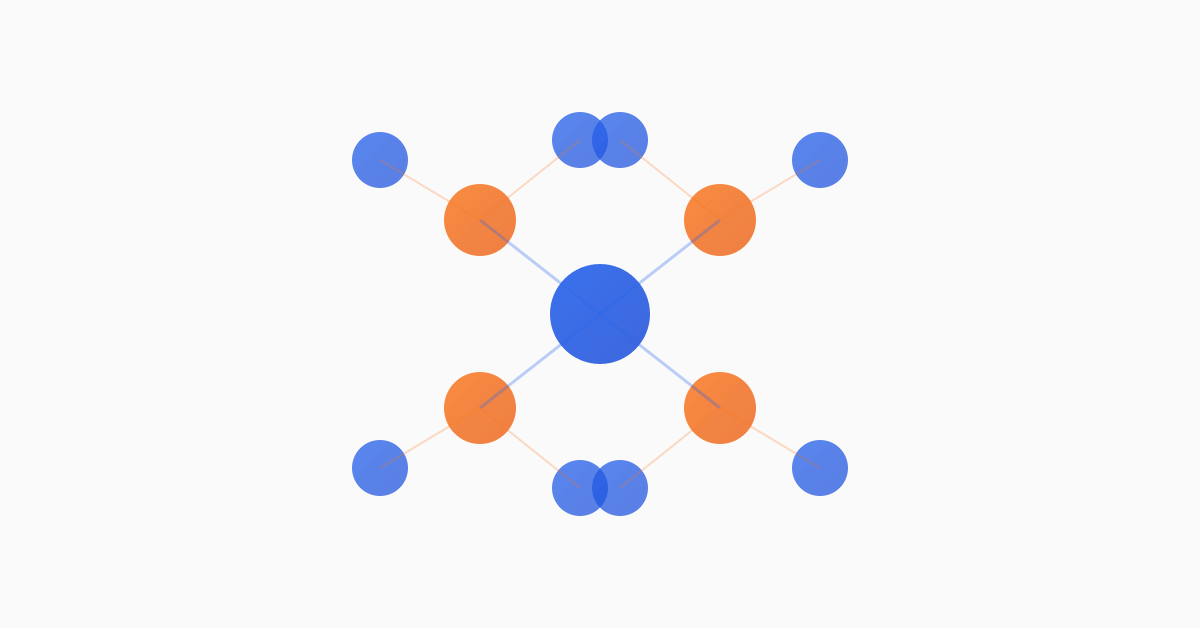
The AI-native brand architecture operates as an interconnected system. At the core sits the entity graph—a structured representation of your organization, people, products, and expertise with clear relationships and attributes. This connects to the knowledge layer, where content is created in modular, synthesis-friendly formats with comprehensive structured data. Simultaneously, the authority infrastructure builds entity-level credibility through cross-platform verification, expert attribution, and citation networks. These three layers feed into algorithmic perception—how AI systems understand and categorize your brand. Strong algorithmic perception drives recommendation frequency, which generates qualified traffic and brand awareness. This creates a feedback loop: more recommendations strengthen entity signals, which improves algorithmic perception, which increases future recommendations. Unlike traditional brand building (awareness → consideration → conversion), AI-native brands build (entity clarity → algorithmic trust → recommendation → conversion).
How to Apply: Building an AI-Native Brand
Transitioning to an AI-native approach requires systematic reconstruction across identity, content, and authority systems.
Step 1: Define Your Entity Architecture Map all entities associated with your brand: the organization itself, key executives, authors, products, locations, and concepts you own. Create comprehensive Schema.org markup for each entity including Organization, Person, Product, and Article schemas. Ensure consistent naming, URLs, and identifiers across all platforms. This is your foundational entity graph.
Step 2: Implement Comprehensive Structured Data Deploy JSON-LD markup on every page, not just homepage. Include detailed author schemas with credentials and social profiles, product schemas with comprehensive attributes, FAQ schemas for common questions, and breadcrumb markup for site hierarchy. AI systems rely heavily on this structured information to understand relationships and authority. Following principles from AI search engines like Perplexity and Gemini, ensure your markup is complete and accurate.
Step 3: Build Entity-Level Authority Establish recognizable expertise for key people and your organization. This includes publishing bylined content on third-party platforms, securing verified profiles on professional networks, contributing to industry publications, creating citable original research, and building consistent cross-platform presence. AI models track entity reputation across the web—your authority must be evident beyond your own domain.
Step 4: Create Synthesis-Friendly Content Restructure content for algorithmic consumption. Write definitive answers to specific questions, use clear attribution and quotes, create modular content blocks that stand alone, implement FAQ schemas extensively, and ensure every claim can be easily verified. The goal is making it easy for AI systems to extract, synthesize, and confidently recommend your information.
Step 5: Monitor Algorithmic Presence Regularly audit how AI systems perceive your brand. Query major platforms about your domain topics and track citation frequency, accuracy of entity understanding, and recommendation context. This is your AI-native brand health metric—more important than traditional rankings.
Step 6: Establish Cross-Platform Entity Consistency Ensure your entity representation is consistent across Wikipedia (if applicable), Wikidata, social platforms, business directories, and industry databases. AI systems aggregate entity information from multiple sources—inconsistencies damage algorithmic trust.
Brand ElementTraditional ApproachAI-Native ApproachWebsiteFeature-rich, engagement-focusedMinimal, conversion-focused, markup-heavyContentTraffic generationCitation optimizationAuthorityBacklinks & domain authorityEntity authority & cross-platform verificationIdentityDomain-centricEntity-centric with structured relationshipsMetricsTraffic, rankings, engagementCitations, recommendations, entity recognitionPlatform StrategyGoogle-first optimizationPlatform-agnostic algorithmic comprehension
Recommended Tools
Schema Markup Validator: Verify all structured data implementation is correct and comprehensive—this is foundational for AI comprehension.
Perplexity & ChatGPT: Primary testing platforms for monitoring how AI systems perceive and recommend your brand across different query types.
Claude: Test entity recognition and citation patterns, particularly for technical and professional topics.
WordPress with Yoast or RankMath: Both plugins now offer AI-focused schema options, making implementation more accessible for content teams.
Semrush: Track traditional metrics as baseline, but supplement heavily with AI-specific monitoring for entity visibility and recommendation frequency.
Google’s Entity Explorer: Understand how your brand entities are recognized and connected within knowledge graphs.
Advantages & Limits
Advantages: AI-native brands achieve visibility efficiency that traditional approaches cannot match. By optimizing for algorithmic recommendation rather than search competition, they access audiences with lower acquisition costs and higher intent. The approach is inherently platform-agnostic—investments in entity authority and structured data pay dividends across all AI systems simultaneously. AI-native brands also build more defensible competitive positions; entity authority and algorithmic trust are harder to replicate than traditional SEO tactics. For startups and new entrants, this creates opportunity to achieve visibility without competing against established players’ domain authority.
Limits: The approach requires significant upfront investment in structured data infrastructure and entity building with delayed returns compared to traditional marketing tactics. Success metrics are harder to track—there’s no universal “rank tracker” for AI recommendations. The strategy also demands specialized expertise that’s currently scarce; few teams understand both brand building and algorithmic optimization. Established brands face legacy challenges—retrofitting existing web properties with comprehensive structured data is resource-intensive. Finally, the ecosystem remains immature and volatile; as AI platforms evolve, today’s optimization tactics may require adjustment, creating uncertainty for long-term strategic planning.
Conclusion
AI-native brands represent not an incremental improvement over traditional digital strategy but a fundamental reimagining of how organizations establish market presence. As explored in the future of GEO for e-commerce, the shift toward algorithmic visibility is reshaping entire industries. The organizations that thrive in the coming decade will be those that think of themselves not as websites seeking visitors but as entities seeking algorithmic comprehension and recommendation. This requires new mental models, new technical capabilities, and new measures of success. The transition is challenging, but the alternative—maintaining web-centric strategies as visibility migrates to AI platforms—is untenable for sustained competitive advantage.
To go further, explore more articles on Generative Engine Optimization at https://aiseofirst.com
FAQ
Can established brands become AI-native, or is this only for new companies? Established brands can absolutely transition to AI-native principles, though it requires deliberate reconstruction rather than incremental optimization. The advantage established brands have is existing authority and recognition—this translates well to entity-level signals if properly structured. The challenge is legacy infrastructure and organizational resistance to deprioritizing traditional metrics. Success requires parallel operation: maintain current web presence while systematically building AI-native infrastructure alongside it.
How long does it take to see results from AI-native brand building? Initial entity recognition and structured data indexing typically occurs within 2-3 months. Meaningful citation frequency in AI responses usually requires 4-6 months of consistent implementation. Full algorithmic authority—where AI systems consistently recommend you as a top source—generally takes 8-12 months. This is longer than traditional SEO’s feedback loops but creates more durable competitive advantages once established.
What’s the minimum viable AI-native implementation? Start with three elements: comprehensive Schema.org markup for your organization and key people, at least one clearly attributed expert with verified cross-platform presence, and ten pieces of synthesis-optimized content with FAQ schemas. This foundation allows AI systems to understand your entity, recognize your authority in a specific domain, and have content worth synthesizing. You can build from there based on results and resources.